When To Replace Your Fleet Vehicle
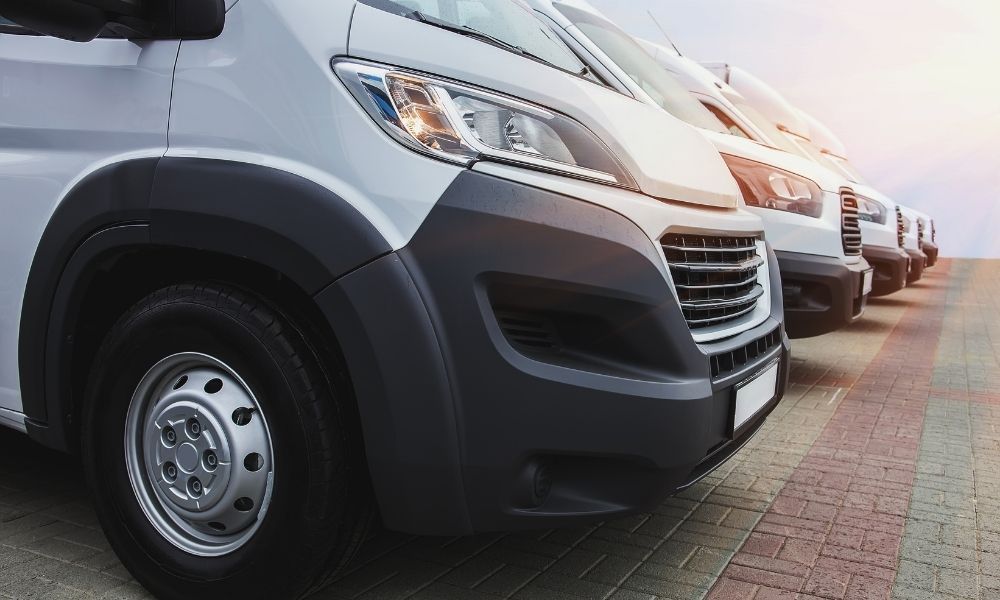
For many small business owners, a fleet vehicle is the lifeblood of their entire organization. To keep the business coming in, the trucks must keep going out. There will come a time when it is no longer viable to keep a vehicle running. Knowing when to replace your fleet vehicle can help your company keep its foot on the gas instead of being stuck in the ditch.
Safety Is an Issue
Safety problems can creep up quickly and have devastating consequences for those unprepared. Consider replacing your vehicle after any roadway incidents. You should also stay current on any local regulations on fleet vehicles to make sure that you are complying with all ordinances. If there is ever a concern that a vehicle might be unsafe, remove it from use and replace it. It simply isn’t worth the risk otherwise.
Cost of Ownership Is Too High
The cost of ownership is a very tricky calculation for fleet vehicles. Work vehicles tend to have large diesel engines that can stand up to large amounts of punishment, especially if you stay up to date on all routine maintenance. But at some point, a worn diesel engine will finally reach the point where the repair costs are more than the vehicle is worth. This is the universe’s way of letting you know when to replace your fleet vehicle. For this equation, you should also factor in the time that the vehicle cannot be on the road due to repairs, how frequently the problem occurs, and how much each repair costs.
Business Needs
There will also be times when it is necessary to add additional vehicles to your fleet as a result of expansion. You can also do so if you decide to swap to a hybrid vehicle fleet over environmental concerns. Whatever the reason, you need to know what to look for when purchasing a new fleet vehicle. Some of the things to consider include the type of inventory that you are moving, the distance that your fleet will travel, the hours that the vehicles will be in service, and any future expected maintenance costs of each vehicle. While it may be a lot to keep track of, it can save you and the company money in the long run.