How Frozen Foods Are Really Made
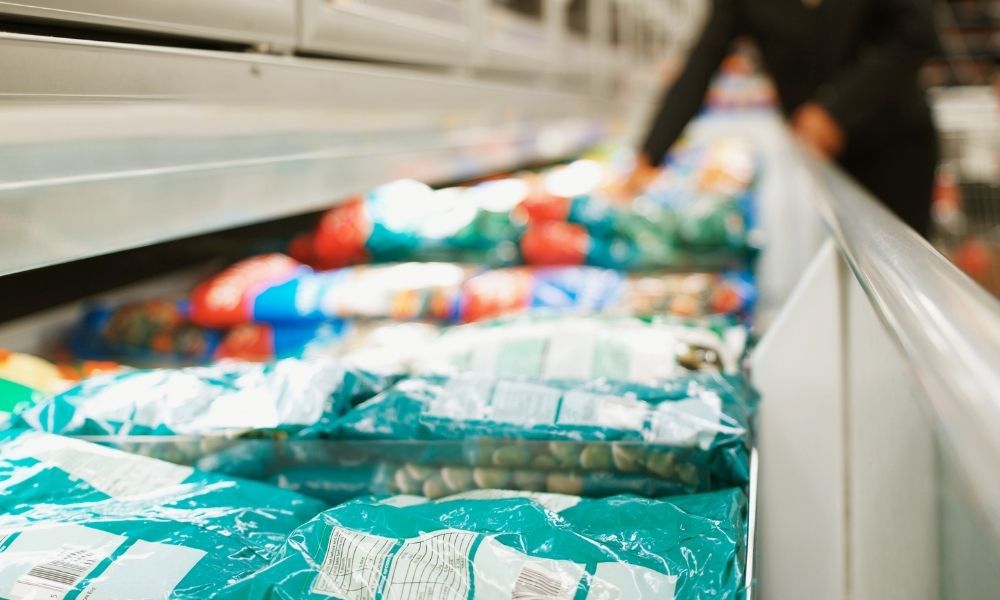
The convenience of freezer food has made it a popular item on grocery lists since the middle of the last century. However, as reports about the potential health detriments of processed foods have become a topic of discussion, many people have begun rejecting not only TV dinners, but also all frozen foods. It’s good to make health-conscious decisions when it comes to what we put in our bodies, but many people make this choice based on misinformation without knowing how frozen foods are really made. Here is a brief overview of the process.
Preparation
Because of books such as Upton St. Clair’s The Jungle, when we think of factory-produced food, we often think of poor ingredients being cooked in less-than-sanitary machinery. This is far from the case. To maximize freshness, vegetables and fruits are usually picked as soon as they’re ripe and then frozen within hours of being harvested. Fruits are washed, while meats are stripped of fat before they’re cooked and placed in premeasured trays. Throughout this process, the food is shot down conveyers and sent through tanks designed to cook food to safe temperatures. This machinery is held to high sanitation standards.
Flash Freezing
After the food has been prepared, it’s ready to be frozen. The freezing process in factories is different than putting food in a freezer at home. In normal freezing situations, the water molecules in the food are frozen, and the large crystals that form can affect the food’s texture when it’s reheated. That’s why factories typically rely on flash-freezing, which freezes food quickly at extremely low temperatures, forming smaller ice crystals and minimizing damage to food and preserving texture.
Are Frozen Foods Dangerous?
When people think of frozen food, the first word that comes to mind is usually “processed.” Although the word has come to be associated with low-quality, unhealthy food, all “processed” means is in the food industry is that the food has been altered in some way during the preparation process. This can mean anything from baking to freezing to canning the food. It in no way implies unsafe practices.
The use of preservatives in processed foods often makes buyers nervous because of the possibility of sodium benzoate, which can form the carcinogen benzene. Sodium benzoate may also raise the risk of inflammation and ADHD. However, benzene consumed in low amounts—the amounts you would find in food—has been deemed safe by the FDA.
Processed foods are completely safe to eat, but that doesn’t mean they’re always perfectly healthy. That’s because the way frozen foods are made involves using higher amounts of salt, fat, or sugar than fresh food. This—more than the idea of the food being processed—is what really makes people avoid frozen foods. If you’re eating things such as frozen fruits or vegetables, however, you don’t have this same risk.