The Difference Between Metals and Alloys
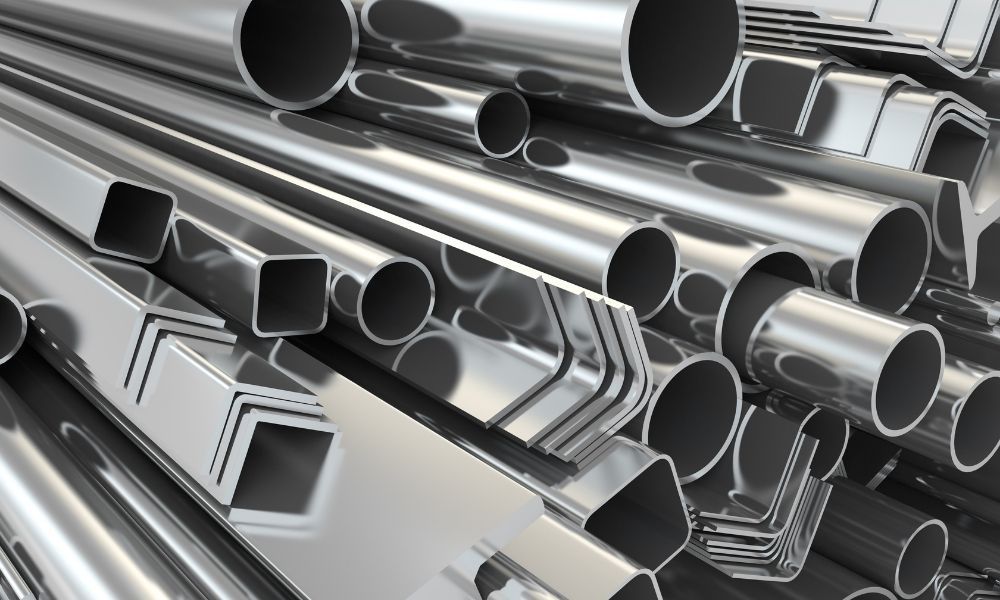
For some people, the difference between a metal and a metallic alloy might seem like no difference at all. However, the differences in uses for each kind of metal are vast and numerous. Alloys may be made of simple metals, but they have properties that no singular metal could possibly have on its own. We’re going to go into the difference between metals and alloys so that you can see why they’re so important and learn a little bit more about how our world works.
Chemical Makeup
At the most basic level, the difference between metals and alloys comes down to the very building blocks of matter itself. Pure metals consist of only one type of atom. For example, chromium is on the periodic table of elements, meaning it’s a pure metal. An alloy, by contrast, is a mixture of different atoms melded together. For example, if you mix chromium with iron (another pure metal) and carbon, you get what is known as stainless steel.
Reactions with Outside Stimuli
One of the biggest reasons why alloying elements are added to pure metals is that pure metals such as iron react quickly and strongly with outside forces. These forces include simple things such as oxygen and water, which can cause pure metals to rust, oxidize, or corrode over time. On the other hand, alloys are usually made from a mixture of less reactive metals in order to prolong their usefulness. Stainless steel is so named because the addition of the chromium makes it corrode less quickly than regular steel.
Strength & Toughness
Alloys tend to combine the strength of some metals with the useful properties of others. One of the best examples of this is gold. Pure gold is actually a very soft metal that can be easily shaped with force. In order to make jewelry that lasts a long time, gold is often mixed with zinc, copper, or silver to make an alloy. These alloying elements make the gold much stronger while allowing it to retain the bright, shiny color for which it’s known and desired.
Heat Resistance
Because alloys are made from different metal elements, the melting points of each metal are taken into account, creating a range of melting temperatures. One metal might melt at a fairly low temperature, but adding another can raise the melting point. This is monumentally useful for industrial purposes such as aircraft engines, where temperatures can get extremely high.