The Role of Genetic Sequencing in Cancer Treatment
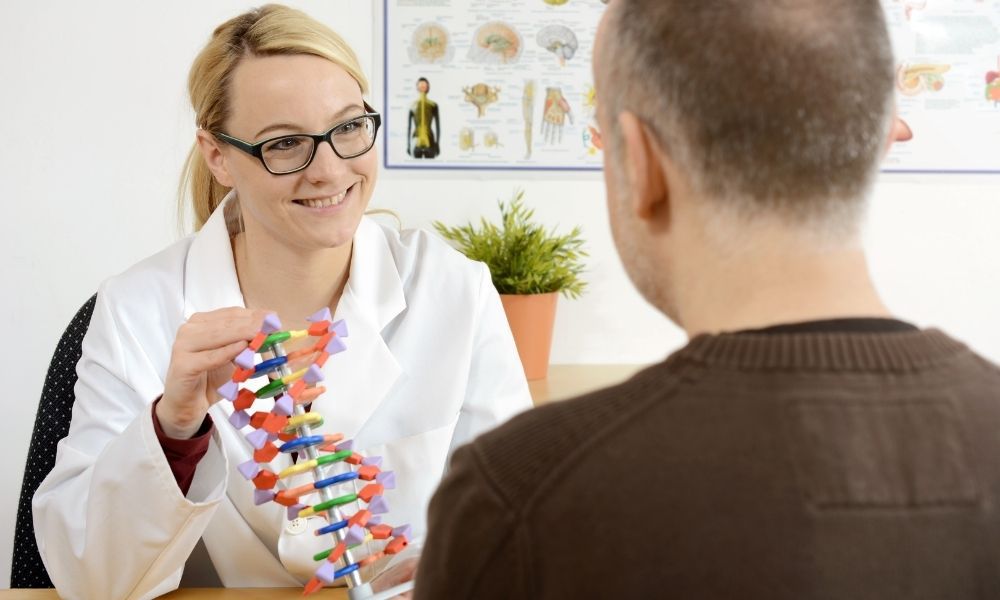
Cancer is caused by genetic mutations that cause cells to grow out of control. These mutations may be an inherited condition, or could be caused by environmental factors. Sometimes, they happen spontaneously as cells divide and create copies of themselves.
The sequence of the four nucleotides that make up DNA can get mixed up as cells replicate. When this happens, the cells will continue to replicate the mutation, possibly creating cancerous cells or clusters of cells forming cancerous tumors. The role of genetic sequencing in cancer treatment continues to evolve, providing helpful information to patients and doctors alike.
Precisely Defining Cancer
Cancer has typically been defined by where tumors appear—the colon, lung, or breast, for example. But recent studies have discovered that tumors that appear in different parts of the body can be similar to each other. Tumors in the same form of cancer can be different in their makeup in different patients.
The completion of the human genome project in the early years of the 21st century made it possible to identify genes related to a great number of diseases, like colon cancer or Alzheimer’s disease. Now, advances in genetic sequencing can help medical professionals identify the genetic profile of an individual’s cancer, and compare it to growing databases that show what types of treatments work against that particular cancer profile.
Genomic sequencing is not for all patients. It is usually used for patients whose disease hasn’t responded well to standard treatments, or in cases of rare forms of cancers. Deciding to undergo genomic sequencing on a patient’s tumor is a mutual decision of the patient and doctor.
How Genomic Sequencing for Cancer Is Done
When a patient and doctor have decided to make use of genomic sequencing to better identify cancer and effective treatments, a tissue sample or biopsy is taken and sent to a lab. The lab isolates the cancer cells and uses specialized equipment to identify the specific genetic abnormalities that define the cancer cells.
Once the abnormalities are identified, they are compared to existing databases of other cancer genetic sequences to search for a match and a corresponding treatment. This offers the opportunity to try a targeted therapy that might not have been considered without the genetic sequence information.
The role of genetic sequencing in cancer treatment continues to evolve. Not all cancers will find a match for treatment through sequencing, and other drugs, chemotherapy, or radiation may still be the best options. Oncologists continue to find new treatment options as sequencing advances. Both patients and doctors benefit from knowing the type of genetic mutation they are up against with greater certainty and can work together to formulate a course of treatment.