How Volunteers Benefit Nonprofits
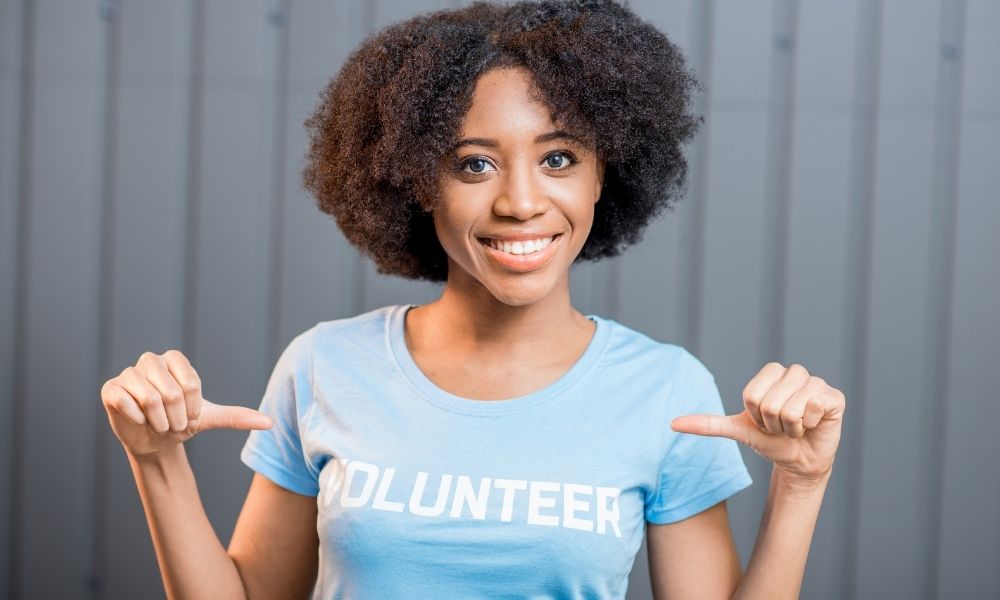
If you’re part of a charity’s staff, you likely dealt with understaffing at some point. Your imagination for what you can do outstrips what you have the ability to accomplish. That’s where volunteers can fill in the gaps.
Though it’s hard to determine their worth, the 2018 Volunteering in America report found 77 million volunteers contributed $167 billion in economic value. That’s a huge number that indicates volunteers are a core piece of infrastructure for charities rather than an add-on. To better understand how volunteers benefit nonprofits, consider these three points.
Muscle: Volunteers Get Stuff Done
At the foundation, volunteers provide willing hands for tasks charity staff can’t get to. On a daily basis, this means you’ll get more done on your existing budget. Physical tasks you don’t have the manpower for get done while clerical jobs you don’t have time for end up beating your deadlines. When a large-scale drive comes up, ensure you’re recruiting volunteers smartly, and they’ll come out in droves to assist with whatever you need. With the right coaching and training, a volunteer is invaluable help for getting stuff done.
Soul: They Enliven Programs
Not only are their hands ready to contribute, but their presence breathes life into your organization. When you invite people to give their time, you’re sure to attract wonderful folks who can’t wait to sacrifice for a good cause. Their presence, their kind words, and their smiles lend you some endurance when you’re weary. And when they come into contact with the people you serve, they encourage them as well.
Stability: They Convert Into Reliable Donors
Digging a bit deeper into how volunteers benefit nonprofits, let’s look at how the relationship can shift. Once you establish contact and build a relationship with volunteers who work alongside you, their proximity to your work engenders trust. Trust makes a donation appeal more likely to succeed.
You ride a thin line here, though. Asking them for money is important, but asking in the wrong way or too often gives the impression you only wanted to get them in the door for their money. Value the relationship over its potential financial benefits.