Best Tips for Improving Welding Safety
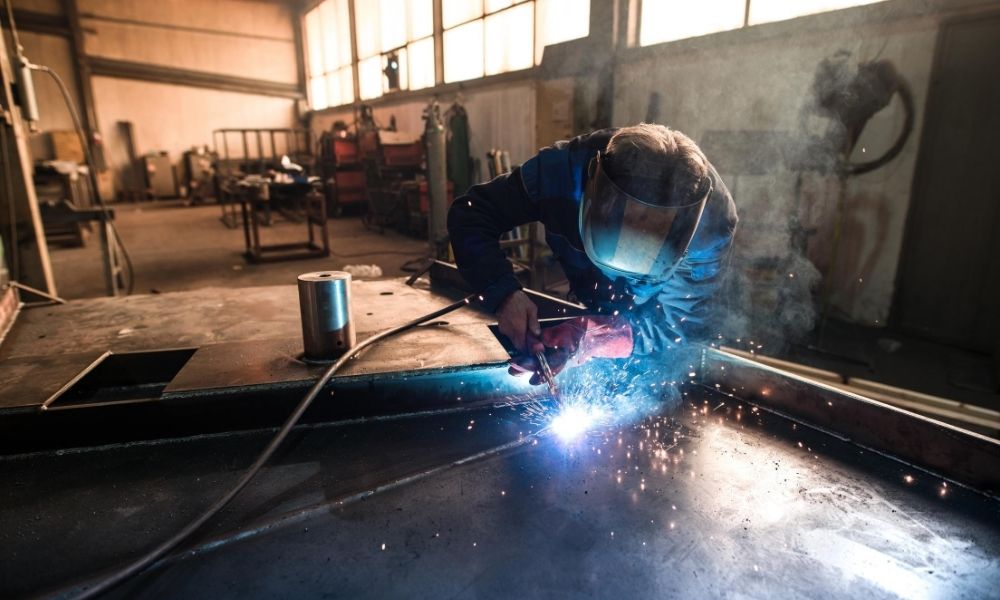
Welding is just one part of metal fabrication. Whereas fabrication deals with welding, cutting, bending, and assembling metal parts, welding strictly combines two pieces of metal together using specific techniques and tools. Many of these tools are sharp, and welders must work in intense heat to manipulate the metal components. Given this, it can be a dangerous profession. That’s where these best tips for improving welding safety come in handy. Wearing the right clothes and gear, organizing the workspace, and achieving ASME certification all help decrease the risk of accidents and hazards in the workspace.
Wear Protective Clothing and Gear
When dealing with immensely hot metals, it’s crucial you wear the right protective clothing and gear. For starters, always wear properly fitted clothing. Flame-resistant shirts, jackets, and pants prevent sparks and ultraviolet rays from damaging your skin. More so, high-topped steel-toed boots cover your feet from blisters and welts. Wear your pants over your boots for further protection and to prevent sparks from getting trapped inside. Similarly, always use heavy-duty welder’s gloves, goggles, and industrial helmets. These are designed to handle intense flames and heat while you work.
Ensure Proper Breathing
Naturally, welding in a cramped enclosure may cause restricted airflow. While welding produces fumes and smoke which you can inhale, be sure to shield gases away from your nostrils and mouth passageways. Use an exhaust hood for proper ventilation; exhaust hoods circulate breathable air into the welding space while emitting fumes and smoke. Don’t forget to wear a respirator. Even with an exhaust hood, respirators assure proper breathing capability as you handle hot materials.
Be ASME Certified
Any type of welding or metal fabrication should require proper certification for workers. Tradesmen in this field must consider ASME certifications to better understand metal fabrication safety and standards. Like any trade, welding demands expertise to handle dangerous working conditions. American Society of Mechanical Engineers (ASME) certification outlines clear safety regulations and guidelines manufacturers must follow at their facilities.
Keep Your Space Clutter-Free
The last tip for improving welding safety is to keep a clean workspace. As with any job, organization improves efficiency. Rather than at an office, a welding station must remain clutter-free to reduce hassles and mishaps. Label every piece of equipment and keep tables at appropriate heights for easy adjustment. Not only does an organized space conserve time, but it also reduces accidents and hazards. Without clutter, you’ll be able find manuals, tools, materials, and other equipment with ease.