4 Most Common Metalizing Plastic Methods
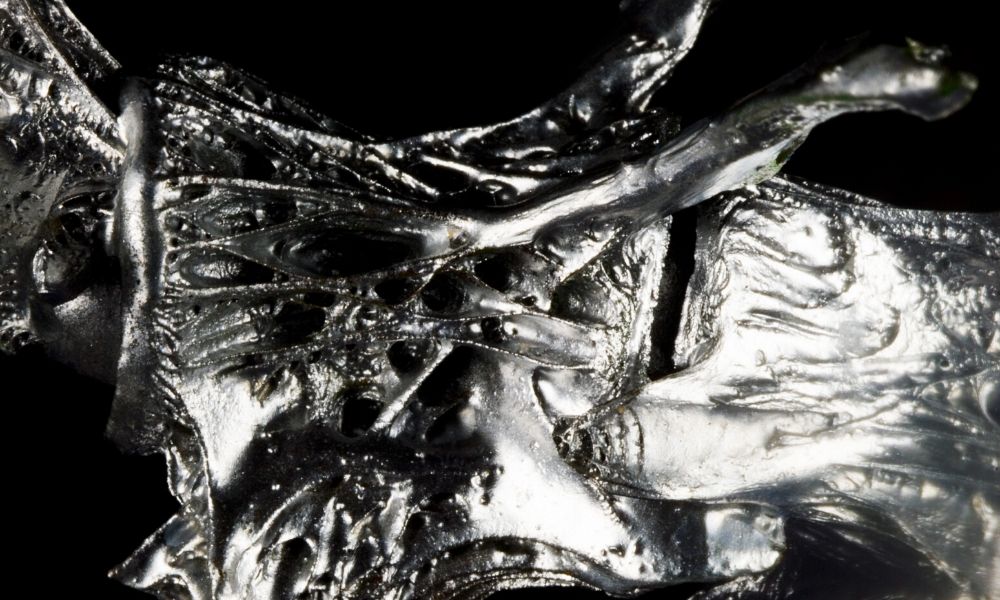
Many device components once consisted of metal to prevent electromagnetic interference (EMI), but utilizing plastic instead provides an apt alternative. To overcome plastic’s biggest weakness for EMI attenuation, its lack of conductivity, engineers began to find ways to metalize the surface of plastics. To discover the distinctions of the four most common metalizing plastic methods, read our guide to each.
Vacuum Metalizing
First, vacuum metalization deposits vaporized metal particles in a cohesive layer onto plastic components. This occurs after a thorough surface washing and treatment that prepares the substrate for deposition. There are several benefits to vacuum metalizing plastic, not least of which is its safe containment in a specific chamber. This makes it much more environmentally friendly than other methods while applying an effective EMI shield coating.
Electroless Plating
Electroless plating also prepares the plastic’s surface, but through etching with an oxidizing solution. This prep promotes the bond of nickel or copper ions when the part is placed in a metallic solution. This process is more dangerous for the operator but guarantees a comprehensive EMI barrier.
Electroplating
Another common metalizing plastic method, electroplating, shares similarities with electroless plating. It also involves parts’ submersion in a metallic solution, except its overarching mechanism differs. Rather than deposition through oxidation, electroplating coats a plastic in the presence of an electric current and two electrodes. Before this can happen, though, the plastic’s surface must already be conductive.
Flame Spraying
Another metal deposition technique that utilizes a unique mechanism is flame spraying. As you might guess, flame spraying coats a plastic with combustion as the intermediary. Rather than vaporize the metal, a flame sprayer melts the metal into a liquid and sprays it onto a surface. This can form very rough layers that lack the uniformity of other methods. That said, it’s a quick and relatively easy tool for working with tough-to-reach areas on a component.
Forgoing combustion, there is also an arc-spraying method that melts the metal using an electrical current.