Effective Weather-Resistant Building Materials
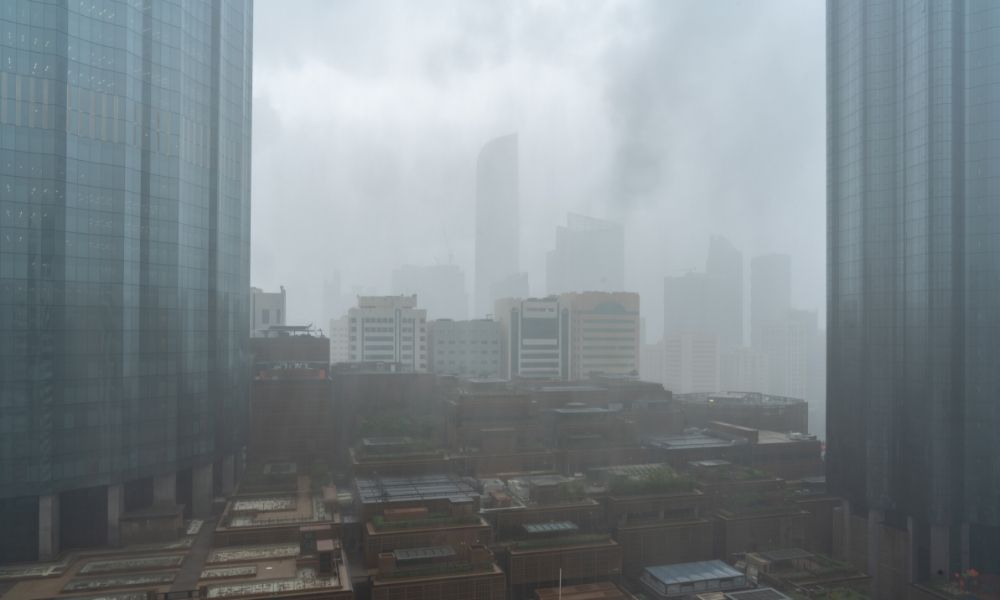
Harsh rains, heavy winds, and hail can all wreak havoc on the integrity of buildings. Such damage doesn’t just cost a considerable amount of money to repair; it can also threaten the safety of those who dwell inside the building. To ensure that your building can stand up to the elements, you want to use strong, durable materials in its construction. Here are some of the most effective weather-resistant building materials to consider using in your next construction or renovation project.
Concrete
It’s no secret that concrete is one of the strongest and most durable construction materials. This readily available and cost-effective material can withstand immense pressure. As such, it can hold up against high-speed winds and the impact of debris that may blow against a building’s exterior.
When used in place of wood in the frame of a building, concrete can even help the structure withstand natural disasters such as earthquakes. For those who want the durability of concrete but aren’t a fan of its appearance, one can camouflage concrete in several other types of materials.
Stainless steel fabric
Another type of effective weather-resistant building material is stainless steel fabric. Stainless steel fabric is a flexible building material that is highly resistant to extreme heat, as well as inclement weather. Due to its impressive flexibility, stainless steel metal fabric is useful in a wide variety of applications and facets of building design.
In addition to its durability and versatility, stainless steel fabric also adds a pleasing contemporary appearance to a building’s exterior. For lasting support that enhances the aesthetic of your building, stainless steel fabric is a great option.
Pressure-treated lumber
Wood is one of the most common building materials. While it has several benefits, such as being a poor conductor of heat and an ideal choice for extremely hot or cold climates, it has one main drawback—it tends to decay after a substantial period of exposure to water.
To enjoy the benefits of wood while mitigating this weakness, consider opting for pressure-treated lumber. With the help of chemical preservatives and substantial pressurization, the pressure-treated lumber can better resist the permeation of water, making it an effective weather-resistant building material.