How to Prepare Pallets for Shipping
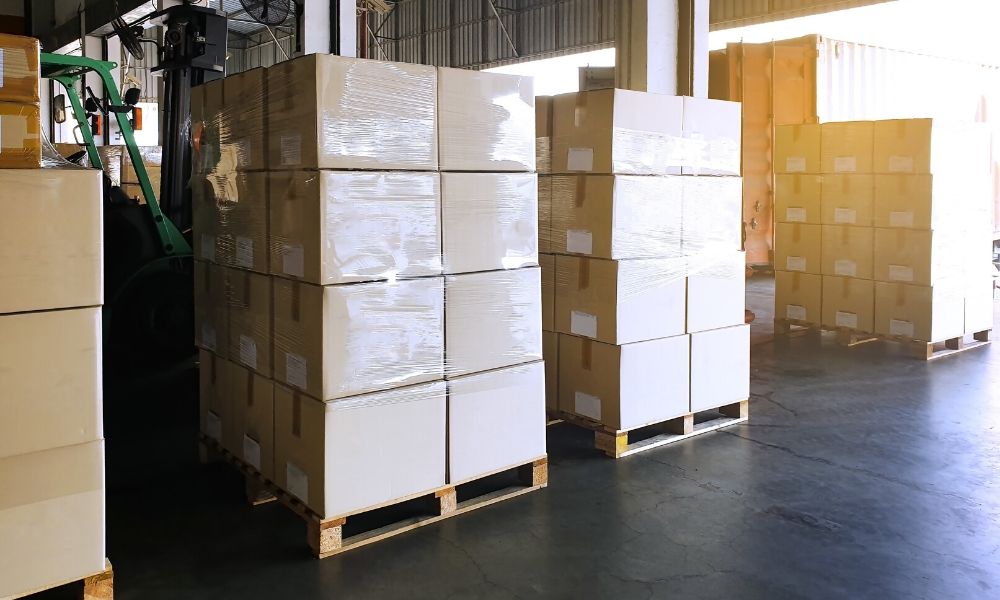
Many companies use freight shipping to get their products from the warehouse to the stores for people to purchase. If your company utilizes freight shipping, chances are you have used pallets or at least considered palletizing your business’s shipments. Palletizing shipments is more efficient in the loading and unloading steps of the distribution process. It also protects your company’s products to cut down on breakage and waste. Check out this guide on how to prepare pallets for shipping to learn ways to make palletizing more efficient and effective.
Pack the boxes correctly
When packing your product into boxes to prepare them for shipment, choose the boxes carefully. Boxes should be easy to stack once assembled and filled. They should also be sturdy enough to hold your products without bending or breaking. When packing your products into the boxes, try to keep the products packed as safely as possible since freight shipping can occasionally be a rough ride. Fill large gaps in with packing materials such as bubble wrap, air pillows, packing peanuts, or other fillers to protect your products.
Pack the pallets correctly
When loading up a pallet, it’s important to use the right kind of product boxes that fit well on the pallet. Once you’ve packed the products safely into their respective boxes, load the boxes carefully onto the pallet. Ensure there are no major gaps or balancing acts—keep the boxes stacked nicely. Boxes should fit onto the pallet without you needing to bend, shove, or force them into place. Pack the boxes tightly to cut down on product damage during shipment. Before stacking boxes onto your pallet, inspect the pallet. It should be sturdy and solid. Dispose of any pallets with exposed nails or broken boards instead of using them.
Wrap the pallet tightly
Wrapping the pallet adds an extra layer of protection to your product, holding the boxes together and securing them to the pallet. If you have workers wrapping your pallets by hand, you may want to consider investing in a pallet wrapping machine. These secondary packaging machines can wrap pallets more securely in less time. If you are working with an older packaging machine, consider upgrading your stretch wrapping equipment to increase efficiency and product safety.