5 Reasons for Poor Gas Mileage
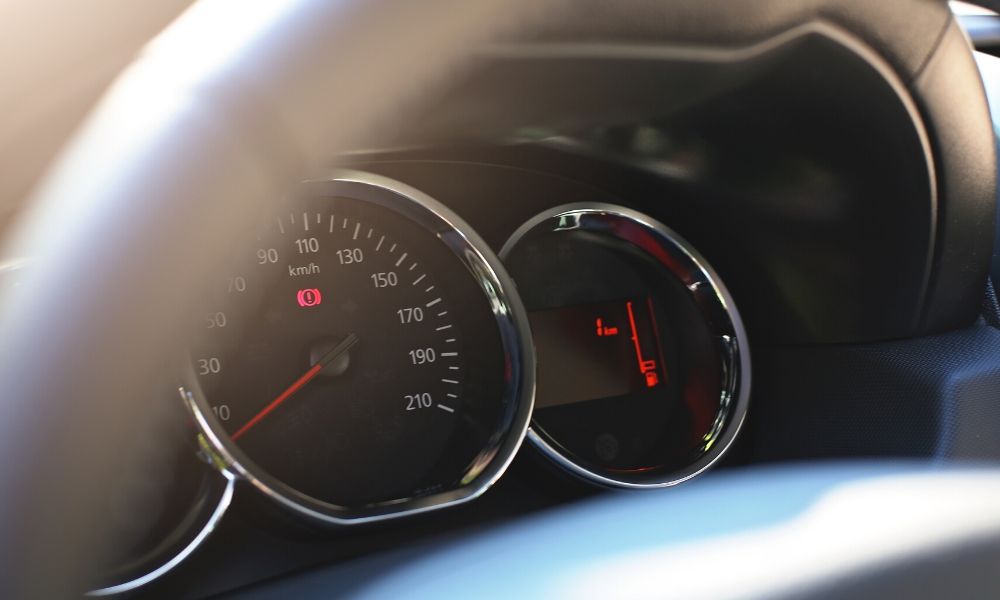
Drivers always want to squeeze as many miles out of a tank of gas as possible. This not only saves them money but also limits how often they take a detour into their local gas station to fill up. If you’d like to learn how to increase your fuel economy, read these common reasons for poor gas mileage.
Under-Inflating Your Tires
First, under-inflated tires lower your car’s fuel efficiency. Under-inflated tires contact more of the road as you drive, producing more friction than a properly inflated tire. To overcome this friction, your engine must work harder and use more gasoline in the process. To remedy this loss, check your tire pressure every two weeks or so.
Not Changing Your Oil
While choosing different motor oil grades impacts how far you’ll go on a tank of gas, it’s important no matter your oil grade to be consistent in getting your oil changed. One of several consequences to not changing your oil according to your manufacturer’s recommendations or every 5,000 to 6,000 miles is that your oil thickens. Like under-inflated tires, degraded oil forces your engine to work harder to get you up to speed and costs you extra gas.
Driving With Unbalanced Tires
Additionally, you compromise your fuel economy when you drive with unbalanced tires. Your tires lose balance when you don’t change them regularly and certain tires wear more than others. Often, in front-wheel-drive cars, your front tires will wear quicker because they receive the engine’s force, and this unbalancing threatens several aspects of your car’s health. Concerning your gas mileage, your worn tires shake and rotate irregularly, taxing your engine and costing you gas.
Accelerating Quickly
Sudden acceleration also uses more gas and drains your wallet. Rather than accelerating to full speed in a matter of seconds, consider gradually accelerating to lower your car’s gas consumption. Also, when you do accelerate quickly, be conscious of how often and how forcefully you brake. Braking too much shows that you’re accelerating too much, which means that you’re using more gas than necessary without saving yourself any time.
Driving in Cold Weather
One lesser-known reason for poor gas mileage is driving in cold weather. Cold air is dense, meaning that your car experiences more resistance while driving that your engine must overcome. Also, to maintain an even air-to-gasoline ratio, your engine pulls more gas to meet the higher-density air coming in. Tire pressure also naturally decreases in cold environments because air contracts in the cold, and as we said before, that lower pressure decreases fuel economy.