What is Pneumatics and How is it Used?
In the land of physics, engineering, and machining, there’s a dictionary full of technical-sounding words and terms that confuse and confound most. Pneumatics is one of these words—it sounds very official and very impressive, but it’s not too complex. Pneumatics focuses on the mechanical properties of gases. It is a branch of engineering that makes use of gas or pressurized air to make something move. We most commonly associate air tools with pneumatics. For example, those awesome sounding impact wrenches you hear during a pit stop at a NASCAR race are pneumatic tools. Below, we go more in-depth.
What is Pneumatics?
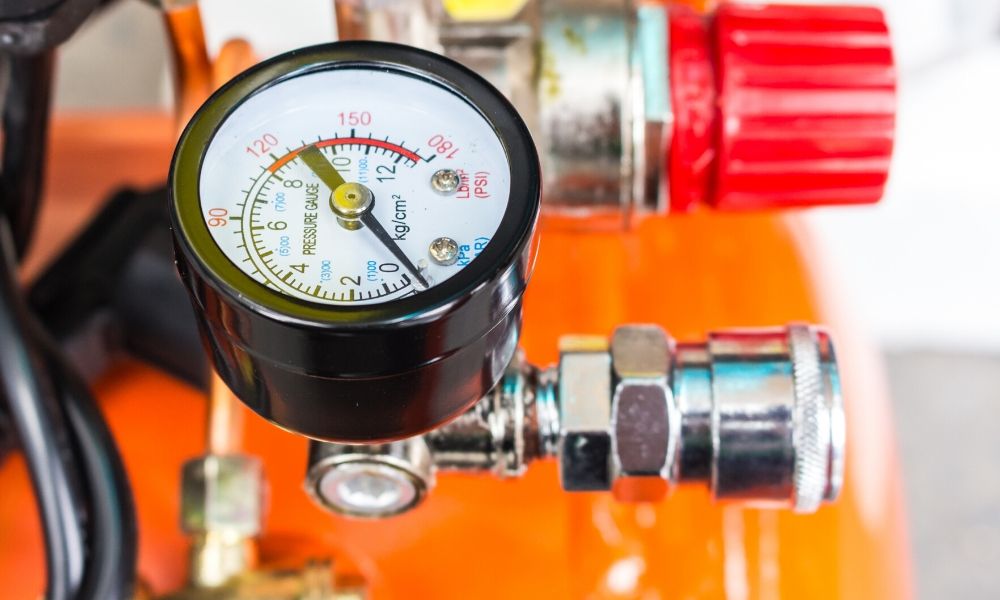
Pneumatics is the technology of compressed air, although some circles like to refer to it as automation control—either way, it’s the same thing. Pressurized gas actuates a machine or tool so it can do work. These end effectors, or tools, can range from cylinders to more specific devices such as grippers or air springs. A pneumatic system uses an air compressor to reduce the volume of the air and increases the pressure of the gas. The pressurized gas travels through pneumatic hoses valves control it on the way to the actuator. The air supply itself must go through filtration and monitoring to keep the system operating efficiently and the various components working properly. This also helps to ensure a long system life. In recent years, the control available within pneumatic systems has increased a lot, thanks (in no small part) to advanced electronics, such as electronic pressure regulators. Once pneumatic systems could not compete with many comparable electronic automation systems, the technology today is seeing a renaissance of sorts. They are important in settings that even the tiniest of sparks can ignite flammable gasses and liquids.
Practical Applications for Pneumatics
Examples of pneumatics are all around us—we encounter and use them every day. As mentioned, pneumatic hand tools are prevalent in the automotive repair world. Even at home, however, we have pneumatic tools that make life easier. The bicycle pump for putting air in tires, tire pressure gauges, nail guns, and vacuum cleaners are just a few of the tools that rely on pneumatics to work.
Vacuum systems, which also reside in the pneumatic realm, use vacuum generators and cups to handle delicate operations, such as lifting and moving large sheets of glass or delicate objects such as eggs.
More and more, professionals are using pneumatics in interesting ways that would have been unthinkable a decade or two ago. Creative applications—from robotics to pneumatic muscles—are consistently making the news, showing not only the creativity of the engineering community but also the inherent flexibility and adaptability of this important technology.