How to Improve Manufacturing Efficiency
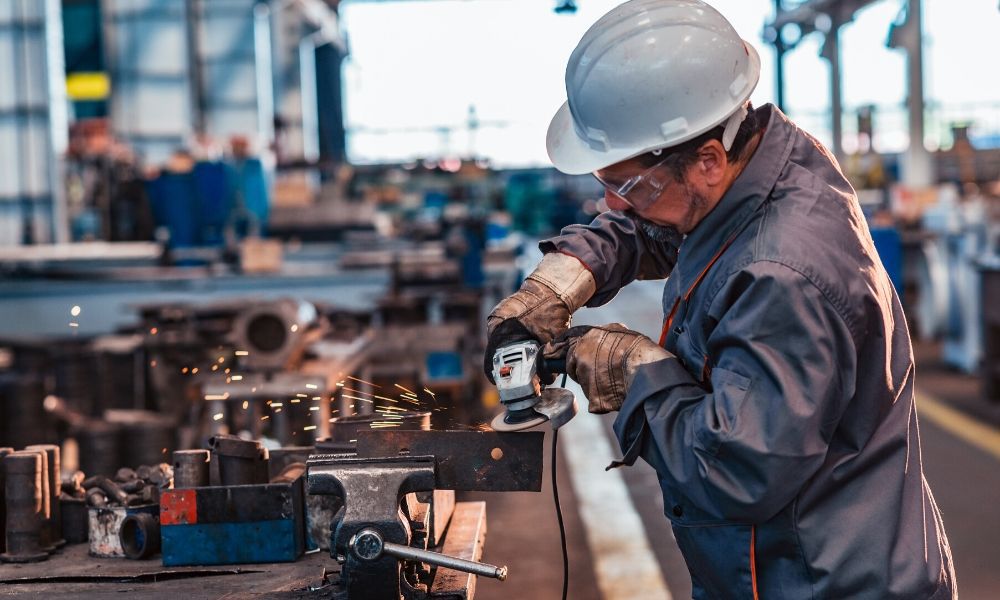
Efficiency is essential for manufacturing. When producing goods at a fast rate, machines and operators must do whatever they can to keep these rates high. Essentially, every facility manager should know how to improve manufacturing efficiency to keep costs low and quality high. These tips will improve the workload of any manufacturing facility with its organization, training, technology, and maintenance.
Improve Training
Education and training implementation is important for maintaining a strong work environment. It’s no surprise that safety training and equipment operation is mandatory, but their frequency differs with each facility. Not to mention, new employees cause slower production rates as they need time to learn to operate the machines. One way to utilize workplace training best is to make it routine. For instance, employers should schedule training for all operators every time they install new equipment. Additionally, you can also keep training records to know when to schedule refreshers or update old programs. It’s also a good idea to incentivize those who wish to expand their skills with paid classes, a promotion, or other advancement opportunities.
Stay Organized
Another way to improve efficiency is through an organized workspace. Reduce the clutter around the production floor to save time and improve accessibility. Specifically, remove unneeded materials from the workspace and create organized storage space to store documents, materials, and equipment. This will reduce travel time and distance which saves production time. Additionally, make sure to avoid any potential safety or electrical issues. Install a custom industrial control panel to protect and organize your wires and circuit breakers from any potential risks.
Update Technology
Technology and automation are as crucial to the manufacturing process as the employees. Now, start to identify areas where technology or automation could better performance and production. For instance, new software can manage inventory, scheduling, and workflow. New equipment can also produce goods at faster rates and ensure optimal quality each time. Naturally, whenever technology updates, you must consider the cost of purchase and maintenance. Still, the rate of quality products produced will be better than before.
Commit to Maintenance
Not to mention, maintenance must be continuous to ensure high production rates. Downtime fixing machines slows down operations. Therefore, you should train operators in regular maintenance and troubleshooting protocols. Don’t delay maintenance or this could lead to unexpected stalling and stoppage. It’s important to engage in preventative maintenance to ensure machines operate effectively throughout the whole work period.