Should You Ever Buy Rustproofing for Your Car?
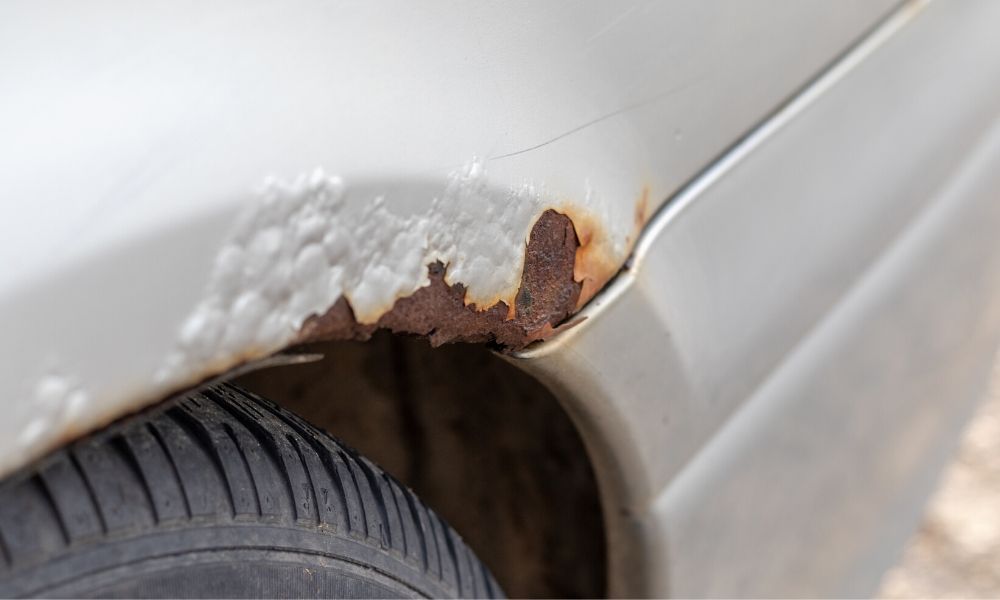
If you’ve ever made it into the business office of a car dealership to complete the purchase of a new car, you’ve probably been on the receiving end of hard-sell tactics to get you to spend hundreds, and maybe even thousands on “undercoating” or “rustproofing,” or even a newfangled electrical device that is supposed to make the car rust-resistant. Should you ever buy rustproofing for your car?
The answer may depend on how long you intend to keep the car. Most new models come with rust warranties, so if yours will still be under warranty when you plan to trade it in, or if you lease, then don’t pay for undercoating or rustproofing treatments.
The best time to rustproof a car is when it is brand new, but new cars are rust-resistant, so what’s the point? Since about 2010, car manufacturers have used galvanized steel. Galvanizing is the process of applying a coating of corrosion-resistant zinc to the auto frame by dipping the whole thing into a solution that has an electrical charge running through it. The zinc forms a barrier that protects the steel from corrosion, even as the zinc may oxidize itself. If something scratches the zinc, the rest of the steel remains protected, so if the metal under the scratch rusts, the rust shouldn’t spread.
There are situations where you might consider rustproofing. Harsh winter weather and the road salt that comes with it can damage rims and the undercarriage of the car. Accidents that expose steel, or scratches and chips in the paint that penetrate the protective zinc coating, may trigger a need for rustproofing. if you’re the type who keeps a car until it just can’t run any longer, rustproofing might be recommended. If you’ve bought a used car, just be aware that if it is already rusty, rustproofing won’t help. You’ll have to take it to a rustproofing professional to remove the rust, if the car isn’t too far gone, and then rustproof it.
If you decide to have the car treated, shop around. Professional rustproofing shops typically charge much less than car dealers for this service. There are also different kinds of applications to consider:
- Tar-based undercoating: With this treatment, the rust proofer applies a sticky, tar-based substance that hardens into a barrier under the car. The downside is that it can crack, letting moisture in and causing rust.
- Dripless spray: This method uses a kind of gel that hardens into a wax-like coating. It covers more of your car than the tar substance, because the shop drills holes at several points in your vehicle to get into the interior of the frame and panels. This application can also crack or chip, letting water in, so add yearly inspections to your budget and expect to have to reapply the stuff at additional cost.
- Drip-oil spray: This process also drills holes into the car and applies an atomized spray that bonds with the metal as it unseats any existing moisture. This too becomes an annual expense.
The bottom line is, if you have an undamaged, newer car, you don’t need rustproofing. Even if you decide you should buy rustproofing for your car, shop around, get estimates, and understand you may be taking on an annual expense.