What Is Sheet Metal and How Is It Used?
Makers contemplating using metal to build machines or to create sculptures and decorative items may wonder, “What is sheet metal and how is it used?”
Sheet metal is metal formed into flat pieces or coils of 6 millimeters (one quarter of an inch) or less. Anything thicker than that is plate metal, and very thin sheet metal, less than .006 inch, is foil. The standardized measure for the thickness of sheet metals is expressed as the “gauge.” A higher number gauge means thinner metal. Large ingots of stainless steel, copper, brass, and aluminum pass through huge industrial rollers and emerge flattened into sheets. Precious metals like silver, gold, and platinum made into thin foil embellish all kinds of decorative pieces from molding to sculptures. Sheet metal comes in many varieties, including galvanized, coated, or corrugated versions.
Heavy-duty uses for sheet metal include auto bodies, airplane fuselages, and roofing. Famous architectural uses include the decoration atop the Chrysler building in New York City and Frank Gehry–designed buildings like the Disney concert hall in Los Angeles and the art museum in Bilbao, Spain.
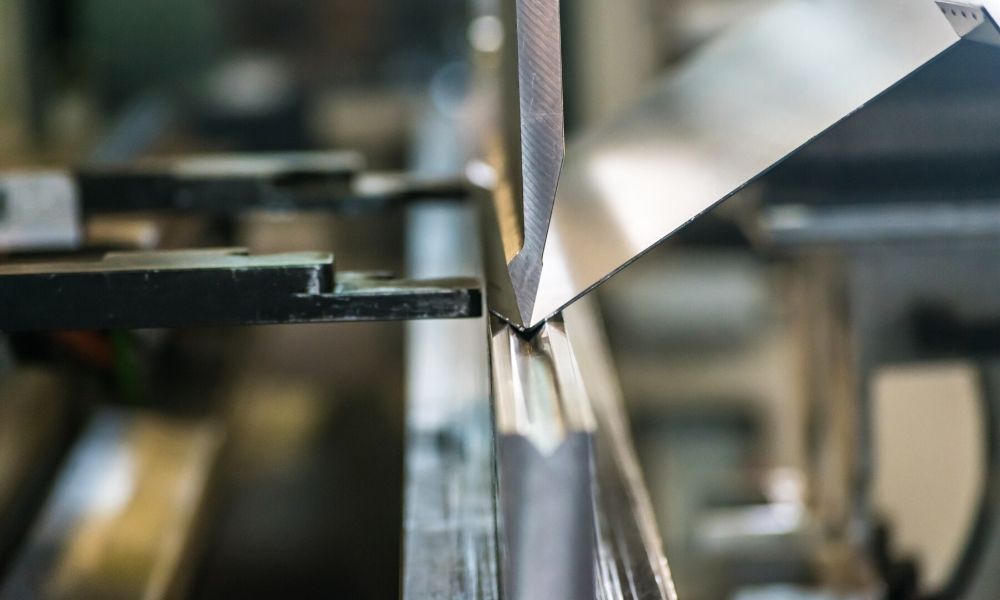
A variety of tools, some computer-controlled, form and shape sheet metal by punching, stamping, cutting, bending, shearing, or riveting. These processes create metal pieces that often require further finishing to remove remnants, smooth edges, or polish to a high finish. Specialized machines employ “deburring” to refine fabricated metal parts, filing off imperfections with a tumbling or vibratory motion.
One of the most intriguing ways sheet metal is used is in equestrian activities—as decorative breastplates, visors, or other tack for horses.
Although types of sheet metal have long appeared in art and architecture, Frank Gehry’s pioneering use of curved and flowing metal cladding on buildings brought mass attention to sheet metal beyond the purely industrial and art worlds. Now, sheet metal has become noticeable in a way that car doors and airplane wings, as purely utilitarian objects, are not.