Beekeeping Tips Every Beginner Should Know
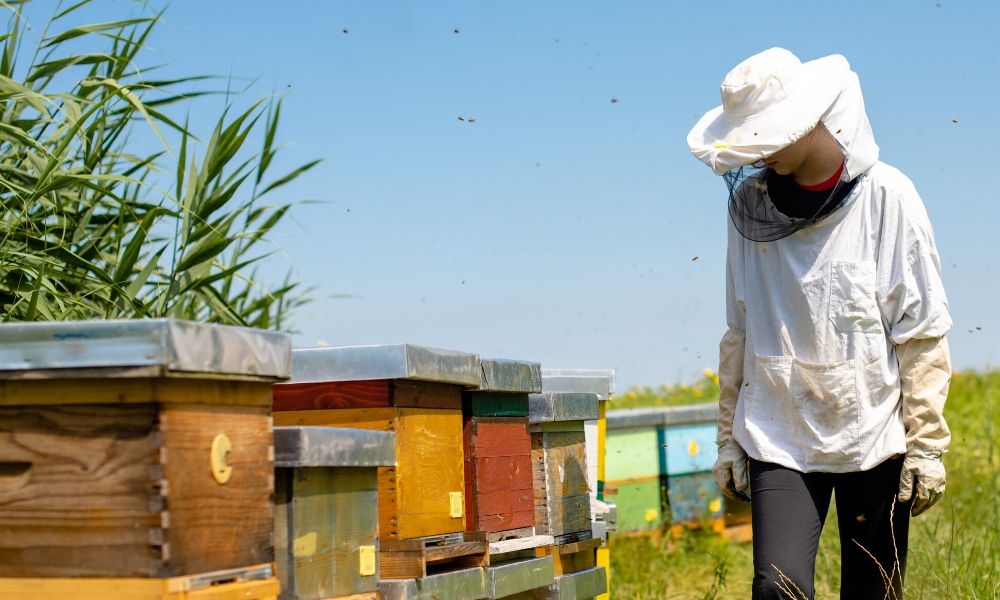
As with caring for any living creature, successful beekeeping is a complex undertaking. You need to understand what honeybees need to survive and flourish as well as what constitutes normal and abnormal behavior among them. Whether you’re trying to start raising bees in your backyard or seriously considering becoming a multi-hive professional beekeeper, it can benefit you to absorb these beekeeping tips every beginner should know.
Learn About Bees Thoroughly
Prior to setting up a hive, you should learn as much as you can about honeybees in general. Research the different types of bees in colony—including the queen, workers, and drones—and what they do. Knowing their lifecycles and behavior at different seasons throughout the year will also be useful. Familiarize yourself with what kinds of environments and plants honeybees prefer and what dangers they may be susceptible to. Examples of the latter might include common predators and honeybee parasites such as varroa mites and wax moths.
Perform Consistent Hive Inspections
You should consistently check up on your bees to make sure they’re in good health. By doing so, you may be able to catch diseases and other problems early on before they spread or become unresolvable. Furthermore, this will allow you to see whether a colony is growing large enough to the point that it may split through swarming. If you want to retain all the honeybees as they form two colonies, you could prepare a new hive frame in which to put them. A relatively safe frequency of inspection is about once a week to once every week and a half. Any more often than this and you may stress out the bees.
Know How to Harvest Honey
Recognizing how to properly harvest the honey is a crucial beekeeping tip every beginner should know, since a major benefit bees can provide you with is honey. However, the bees don’t produce this sweet golden syrup just for you. They need it as a source of sustenance for survival. Experts recommend that you leave all the honey alone for the first year in which a colony has been established. After that, you may take a portion of it, but you still need to leave some for the bees, too. To learn the amount you can safely take, you’ll need to research the needs of the species you have and the climate you’re in. Look to beekeepers in your area as reliable sources of wisdom.