The Different Types of Eczema and How to Identify Them
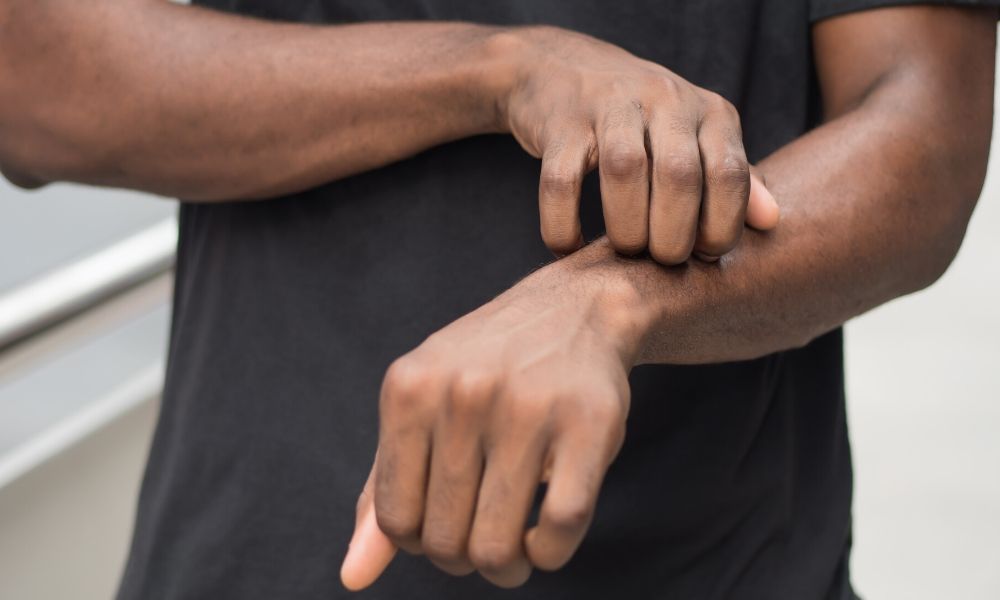
Millions of individuals across the country have experienced—or are currently experiencing—the skin condition known as eczema. This common ailment, categorized by the raised, itchy, and red rash it inflicts, develops from multiple different factors and presents itself in various ways. Because of this, eczema itself comes in several types that range from how it looks on the surface of the skin to the irritants that cause it. These variances make it difficult to identify which form of eczema a person has and, additionally, what they can do to ease their symptoms. Learn about some of the different types of eczema and the characteristics used to recognize them.
Atopic Dermatitis
Atopic dermatitis is the most frequently occurring form of eczema due to its relationship with other physical conditions such as asthma and hay fever. In fact, if you have one of these ailments, it’s highly likely that you’ll experience all three throughout your life. When you develop this form of eczema, it often occurs in areas of the body that collect sweat—such as the creases of your elbows or knees. This makes it particularly important that you find ways to manage your symptoms during the summer months.
Contact Dermatitis
Unlike atopic dermatitis, which is dominantly genetic, contact dermatitis develops from direct contact with something you’re allergic to. This happens by triggering your body’s immune response, which then causes the surface of your skin to become inflamed. The area that touched the irritant will experience itching, redness, and even a burning sensation.
Dyshidrotic Eczema
This form of eczema forms specifically on a person’s hands and feet, which can lead the skin in these areas to scale, crack, or flake. Dyshidrotic eczema can be caused by prolonged exposure to excess moisture or any allergies the individual has. Certain materials like nickel, cobalt, and chromium can also trigger this reaction.
Nummular Eczema
Nummular eczema, otherwise known as discoid eczema, looks similar to standard atopic dermatitis. However, in addition to the swollen patches of itchy skin it demonstrates, it also forms in perfectly round spots over the afflicted area. This type of eczema can happen as a result of an insect bite or can indicate a skin infection.
Stasis Dermatitis
Stasis dermatitis can occur when an individual experiences reduced blood flow in the lower part of their body. Since the veins aren’t properly circulating that blood to the heart, it sits stagnant in the vessels and irritates the skin’s surface. Weeping and crusting over the skin are both common symptoms of this condition and should be taken as a warning to improve your circulation.