Best Lubricant Practices for Equipment
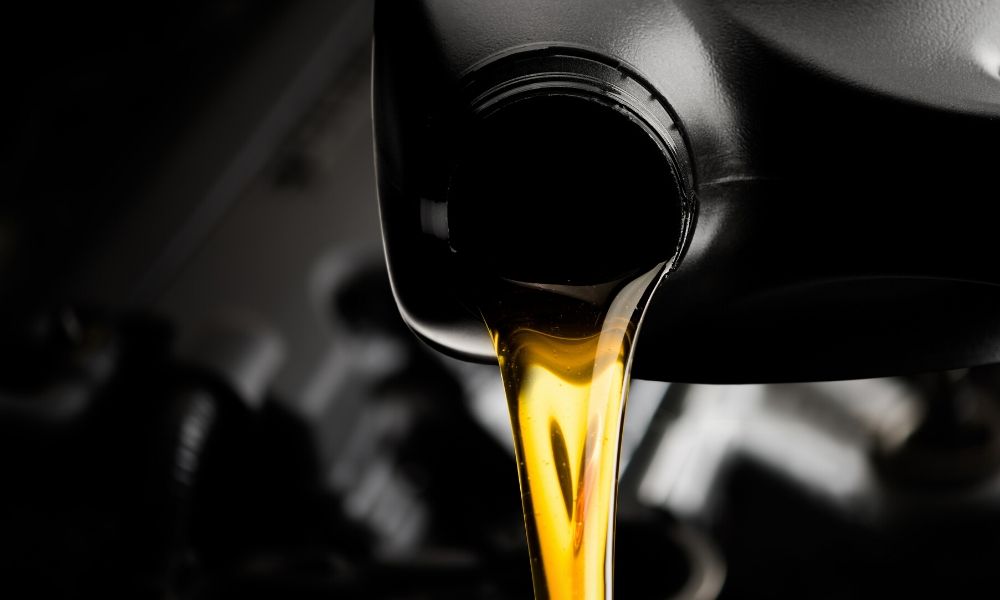
Industrial businesses count on their equipment being reliable; however, their equipment isn’t always reliable because they aren’t lubricating the machinery properly. The reason is usually that individuals and companies don’t know the best practices, but you can be the exception. Read on if you’d like to learn the best lubricant practices for equipment.
Have a regular assessment schedule
You can’t successfully maintain your equipment if you’re not inspecting its components consistently. In order to have equipment that lasts like it’s supposed to, you need to keep up with proper lubrication. Otherwise, your machinery could overheat, have metal components rubbing against one another, or develop grease buildup. By implementing a regular inspection schedule, you’ll reduce the chances of your equipment enduring permanent damage and premature wear.
Properly store lubricant and avoid contamination
Far too many facilities store their additional lubricant incorrectly which leads to deteriorating lubricant and contamination. You should always store lubricants in airtight containers to avoid any debris finding its way into the container. Additionally, ideal storage for lubricant is a cool and dark place indoors. Because lubricant is derived from oil, you never want to store lubricant near a heat source for obvious reasons. Furthermore, while oil doesn’t freeze, that doesn’t mean you should store the lubricant in an area that could reach freezing temperatures because the lubricant could thicken.
Use high-quality lubricant
One of the most common mistakes companies make is ordering the cheapest lubricant they can find to save on costs. While it sounds like an okay idea, cheap lubricant doesn’t perform the way high-quality lubricant does. Additionally, your equipment wasn’t cheap, so why would you use cheap lubricant? Find a high-end oil supplier that values quality products—your equipment deserves it.
Without your equipment, your company would have a difficult time meeting deadlines. So, why wouldn’t you implement the best lubricant practices for equipment? These practices will not only help your equipment maintain its lifespan, but consistent lubricant practices will also help your equipment operate at peak performance.