Helpful Tips for First-Time Gardeners
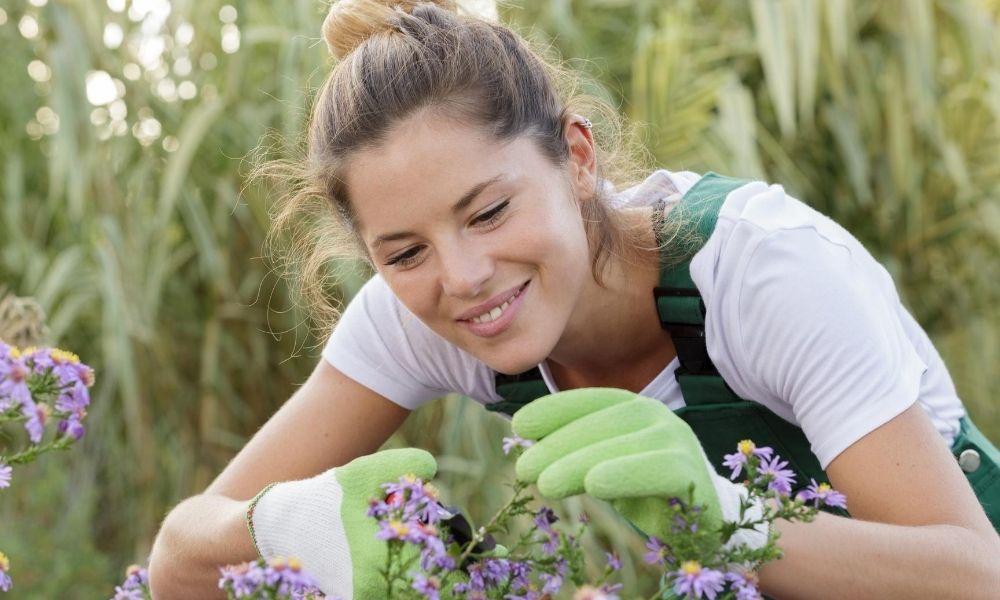
Gardening can be more than just a hobby. When done right, gardening can add some valuable curb appeal to your home and, in some cases, provide you with fruits and vegetables. No matter your purpose for getting into gardening, use this guide to helpful tips for first-time gardeners in order to avoid the common mistakes that novices tend to make during their initial attempts.
Start Small
Just like the plants themselves, start your garden out small before allowing it to grow larger and larger over time. A lot of factors go into growing and sustaining plants, so it’s always a smart idea to grow one type of plant (or two if you’re feeling adventurous) at first to learn the ropes. Over time, as you become more knowledgeable and confident about gardening, you can begin expanding your garden to your heart’s content. If you’re scrambling to save 10 different kinds of dying plants, it will cause an unnecessary amount of stress for your first attempt.
Read Plant Requirements
Before buying plants for your garden, make sure you have a thorough understanding of what they require in regard to factors such as water, light, and soil conditions. For instance, if you have a lot of shaded areas in your yard, you can take advantage of some shade-loving perennial flowers. However, if your garden lacks sufficient shade, you can either construct shade or rely on sun-loving plants to spruce up your garden. If you provide your plants with too little or too much water, sun, and other nutrients, then your garden won’t thrive properly. When it comes to soil requirements, buy a soil test kit to see whether your soil can sustain certain plants.
Know Your Zone
“Hardiness zone” are two of the most important words any gardener can have in their vocabulary. The point of hardiness zones is to showcase the range of climate conditions that can occur in a given area as it pertains to plant growth. To put it simply, the warmer a region’s climate is, the higher its hardiness zone number is. On the other hand, the colder the region is, the lower its hardiness zone number will be. If you’re unsure where your region falls on the scale, use a USDA Plant Hardiness Zone Map to find out before buying plants.
These helpful tips for first-time gardeners are important to know in order to grow a healthy, sustainable garden in your very own yard. Whether you’re growing fruits and vegetables or you simply want to improve your curb appeal with some vines, shrubs, and flowers, these guidelines will help you achieve that in spades.