The Environmental Benefits of Hydroponic Gardens
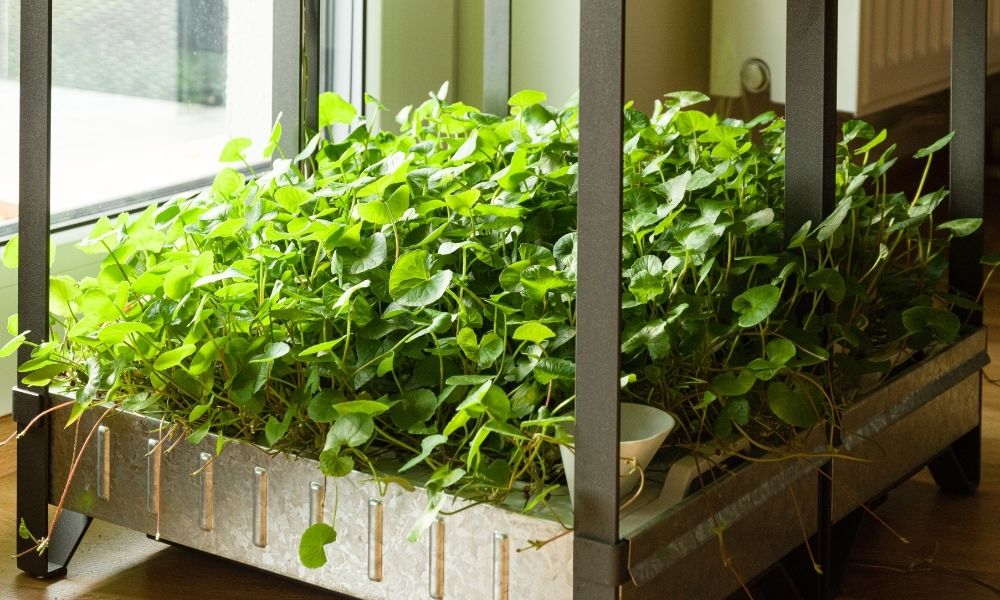
Gardening is a rewarding hobby that can keep food on your table and busy your green thumbs. A hydroponic garden can produce beautiful yields of your favorite fruits and vegetables all year round, and even has a more positive impact on the environment. The environmental benefits of hydroponic gardens are plentiful, while allowing you to harvest fruits and vegetables that are just as healthy as any that you would grow in soil.
Fewer Pesticides
Because your plants will always be inside, the need for dangerous pesticides is low. Pesticides in your soil garden will soak into the earth and could pollute your water supply—or worse, a natural body of water nearby. If you require pesticides in your hydroponic garden, fewer are needed, and their effects will be kept only inside the garden. Harsh pesticides outside can be dangerous to beneficial bugs and animals that pollinate your plants and other flora, like honeybees.
You will not need weed killers in a hydroponic garden either, which can otherwise have especially harmful effects on your health and the environment. Since you control the growing medium and the seeds in a hydroponic garden, weeds should never be a factor.
Use Less Water
Though the name “hydroponic garden” seems to imply that it would use more water than a soil garden, this is not true! Hydroponic gardens may hold gallons of water and nutrients at a time, but the same water mixture is often reused for weeks before being refilled completely. A hydroponic system uses water efficiently with drip tubes that can provide water right where the plants need it—at the roots. Hydroponically-grown plants drink what they need, while the rest runs back off into the water basin below to be cycled through the system again.
In a soil garden, the water you give to your plants may sink through the soil unused. Once this water is gone, it’s gone. Roots are also liable to become flooded with too much water, which leads to mold or disease. The water you use to quench your plants will also erode your topsoil. Mulching can help with water issues in an outdoor garden but will attract more pests and create a higher risk for mold.
Year-Round Sustainability
Not only will growing your own fruits and vegetables save you money at the grocery store, but it will also reduce your carbon footprint. Being able to grow the same things all year round in a hydroponic garden ensures that you won’t often need to buy produce that has used fossil fuel-based transportation to get to your grocer. Also, you can avoid produce that comes from a farm that has used chemicals that are harmful to the environment to grow food.
This is often one of the overlooked environmental benefits of hydroponic gardens, but the year-round ability to grow your own food increases your independence and allows you to rely less on the grocery store—even during winter.